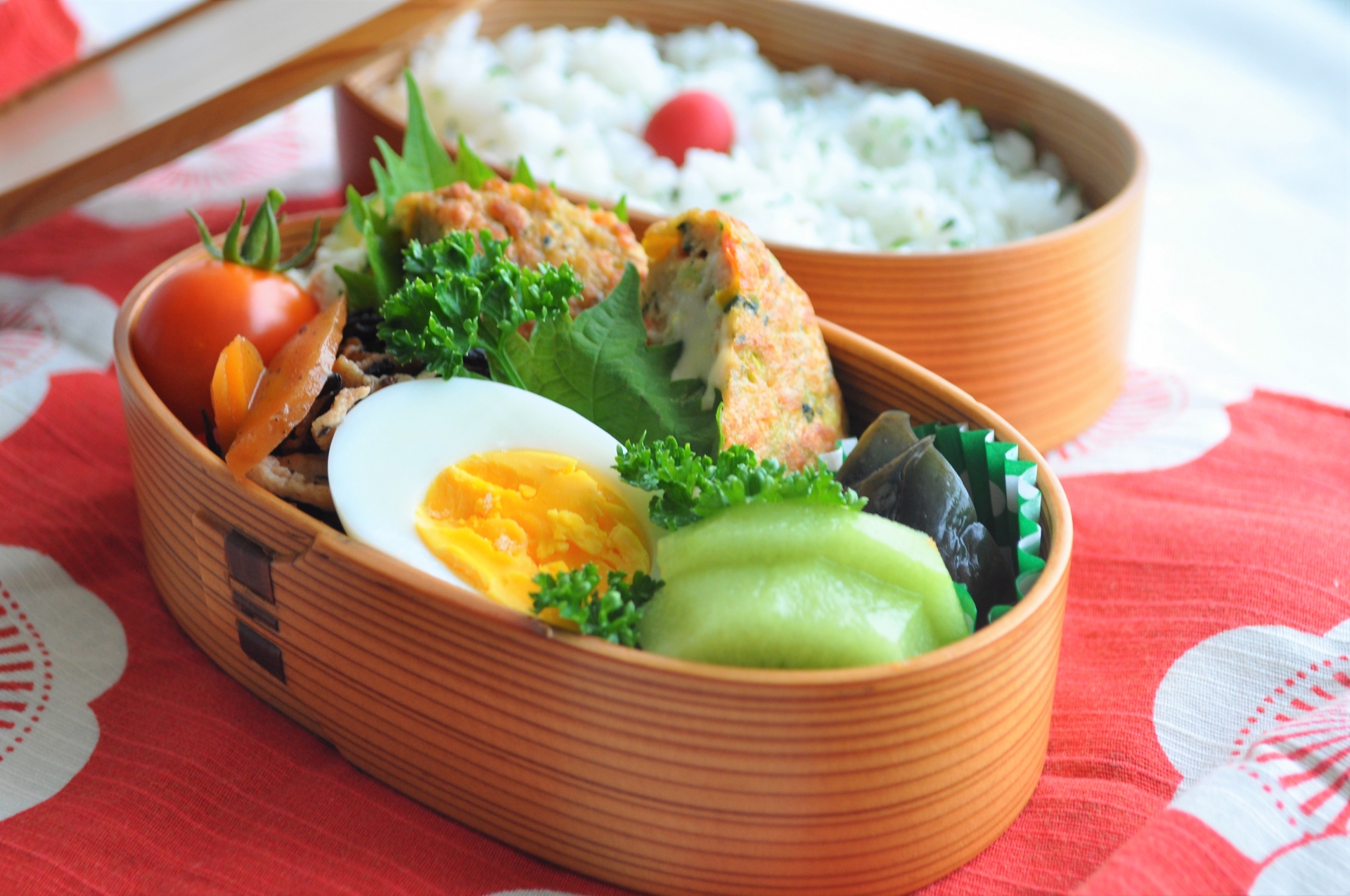
If you want a real, handcrafted Japanese magewappa (曲げわっぱ) bento box rather than a plastic look-alike, the Akita Cedar 2540 Magewappa Bento Box ($82.01) is the easiest all-around pick: it’s made from solid Akita cedar with a confirmed Country of Manufacture of Japan, and it’s the most-reviewed option in this lineup at 4.6 stars from 650 buyers. If you want something smaller for a slim bag, the Akita Cedar 2340 Slim ($74.38) uses the same cedar and craftsmanship in a narrower shape, and if you’re shopping for a gift, the IPPINKA Cedar and Paulownia Wappa ($77.95) pairs two traditional woods in a lighter box.
- What Is Magewappa?
- Quick Comparison
- What to Look for When Buying a Magewappa Bento Box
- The Bento Boxes, Reviewed
- Which One Should You Buy?
- Cedar, Paulownia, and Why the Wood Matters
- Caring for a Magewappa Bento Box
- Common Mistakes to Avoid
- Frequently Asked Questions
- Is magewappa dishwasher safe?
- Can I put a magewappa bento box in the microwave?
- Why does rice stay less soggy in a magewappa box than in plastic?
- Is all “magewappa style” bento actually made in Japan?
- What’s the difference between the Akita Cedar and IPPINKA boxes?
- Can I put sauces or soup in a magewappa box?
- How long does a magewappa bento box last with proper care?
- What You’ll Also Need
- Final Thoughts
What Is Magewappa?
Magewappa is a traditional Japanese woodworking technique where thin sheets of wood (commonly cedar, cypress, or magnolia, depending on the region and maker) are softened with hot water, bent into round or oval shapes, dried, joined, and traditionally secured at the seam with cherry bark before a thin wood base is fitted in. Odate, in Akita Prefecture, became a major center of production during the Edo period, and Odate Magewappa was designated a Japanese Traditional Craft in 1980. All four products in this guide are more accurately described as “magewappa-style” bentwood construction rather than certified Odate magewappa specifically — none of the listings claim the official traditional-craft designation, so we’re not asserting it here.
Unlacquered wood can absorb and release some moisture, which helps explain why magewappa is traditionally associated with keeping cooked rice from becoming overly damp: rice tends to stay less soggy in one than it does in an airtight plastic container.
One thing worth knowing before you shop: a lot of “magewappa style” bento boxes on Amazon are not solid wood at all, and a lot of others are wood but not actually made in Japan despite Japanese-sounding brand names. Among the lower-priced listings we checked while researching this guide (some under $40), we found examples made from resin/ABS construction styled to look like bentwood, as well as wooden boxes whose own product details listed China as the country of origin. The four boxes below are the ones we could confirm as solid wood with an explicit Japan country-of-manufacture claim on the listing itself — which is also why there isn’t a true budget pick in this guide.
Quick Comparison
| Product | Price | Material / Size | Best For |
|---|---|---|---|
| Akita Cedar 2540 (Medium) | $82.01 | Akita cedar, ~22.0 fl oz | Best overall |
| Akita Cedar 2340 (Slim) | $74.38 | Akita cedar, ~24.4 fl oz | Slim bags / narrow totes |
| IPPINKA Cedar & Paulownia | $77.95 | Cedar + paulownia, ~20.3 fl oz | Gifting |
| Akita Sugi 2530 Hango (2-Tier) | $96.97 | Akita cedar, ~29.3 fl oz total | Bigger appetites |
What to Look for When Buying a Magewappa Bento Box
- An explicit country-of-manufacture claim. A Japanese-sounding brand name or “traditional design” language is not the same as an actual “Made in Japan” or “Country of Manufacture: Japan” statement in the listing’s own product details. Check for it specifically — several listings we reviewed for this guide named the country of origin as China despite branding that reads as Japanese.
- Solid wood vs. resin construction. Some “magewappa style” boxes use ABS resin or PET plastic with a wood-look coating rather than actual bent cedar or cypress. These aren’t necessarily bad lunch boxes, but they don’t have the moisture-absorbing properties or authenticity that real magewappa is bought for — check the listed materials, not just the product name.
- Capacity in fl oz or ml. Magewappa boxes are sized for rice-forward Japanese-style bento, and capacities in this category run smaller than a lot of Western lunch containers — most single-tier options here hold 20–25 fl oz.
- Single tier vs. two tier. A single oval or rectangular box works for a rice + a few sides; a two-tier “hango” style stacks a smaller top tier (often for rice or fruit) over a larger bottom tier, which suits bigger meals.
- Care instructions on the listing. Unlacquered wood bento boxes are generally hand-wash items — check whether the listing says so explicitly rather than assuming.
The Bento Boxes, Reviewed
Disclosure: As an Amazon Associate I earn from qualifying purchases.
Akita Cedar 2540 Magewappa Bento Box (Medium) — Best Overall
This is the most-reviewed box in the lineup, at 4.6 stars from 650 ratings. The listing states the material as natural Akita cedar wood and lists “Country of Manufacture: Japan” directly in the product details. It measures approximately 7.4 x 4.7 x 2.4 inches with a capacity of about 22.0 fl oz (640 ml) — enough for a rice base plus a few sides in one oval tier.
Pros:
- Solid Akita cedar with an explicit Japan country-of-manufacture claim
- The largest review history of any box in this guide (650 ratings, 4.6 stars)
- Mid-range capacity works for a standard adult lunch portion
Cons:
- The listing doesn’t specify dishwasher/microwave safety one way or the other — treat it as hand-wash only unless you confirm otherwise
- Single tier only, so it’s not built for bigger appetites
Bottom line: With the deepest review track record and a confirmed Japan-made cedar build, this is the safest starting point if you’re buying your first real magewappa box.
Akita Cedar 2340 Magewappa Bento Box (Slim) — Best for Slim Bags
Same listed Akita cedar material and “Country of Manufacture: Japan” claim as the 2540, and the same 4.6-star rating with 650 ratings shown on its own product page — this is a narrower-footprint variant from the same product line. (We checked each listing separately; we can’t confirm whether Amazon’s rating counts for these three Akita products are fully independent of each other.) It measures about 5.1 x 4.3 x 3.7 inches, with the listing citing roughly 12.2 fl oz in the upper portion and 12.2 fl oz in the lower portion (about 24.4 fl oz combined, per the manufacturer’s own figures).
Pros:
- Same verified Akita cedar and Japan manufacture as the Medium
- Narrower footprint may be easier to fit into slim lunch bags or narrow totes
- Comparable total capacity to the Medium despite the smaller footprint
Cons:
- The upper/lower capacity split in the listing isn’t explained in detail, so it’s not entirely clear how food is meant to be divided inside
- Slightly less versatile shape for packing larger or bulkier sides than a wider oval box
Bottom line: If your lunch bag or bento wrap is narrow rather than wide, this is the same trusted cedar and manufacturing as the Medium in a shape that will actually fit.
IPPINKA Japanese Wappa Bento Lunch Box (Cedar & Paulownia) — Best for Gifting
This listing describes the box as handcrafted in Japan using traditional woodworking techniques, built from a combination of cedar and paulownia wood. It’s the lightest box in this guide at 0.35 lbs, measuring about 7.40 x 4.29 x 2.59 inches with a 600 ml (about 20.3 fl oz) capacity. As a newer listing, it doesn’t yet have a visible star rating or review count, so weigh that against the other three options, which have an established review history.
Pros:
- Explicit “Handcrafted in Japan” claim in the listing
- Paulownia has long been used in Japan for lightweight boxes, storage chests, and other wooden goods, giving this box a distinct material story from the all-cedar Akita line
- Lightest box in the lineup, at 0.35 lbs
- Listing explicitly states hand-wash only, not suitable for microwave or dishwasher — clearer care guidance than the Akita listings provide
Cons:
- No review history yet to confirm real-world durability or fit/finish
- Smallest capacity of the four options
Bottom line: The cedar-and-paulownia combination and explicit handcrafted claim make this a nice gift pick, but go in knowing it doesn’t have the review track record the Akita boxes do.
Akita Sugi 2530 Magewappa Hango Bento Box (2-Tier) — Best for Bigger Appetites
The only two-tier box in this guide, also from the Akita cedar line with the same “Country of Manufacture: Japan” claim, and its own product page shows the same 4.6-star rating and 650 ratings as the 2540 and 2340. It measures about 6.7 x 3.5 x 3.7 inches, with the listing citing roughly 12.4 fl oz in the top tier and 16.9 fl oz in the lower tier — about 29.3 fl oz combined, the largest total capacity here.
Pros:
- Same verified cedar and Japan manufacture as the rest of the Akita line
- Largest total capacity of the four options
- Two-tier design separates rice from sides more cleanly than a single-tier box
Cons:
- Most expensive box in this guide
- Narrow footprint (3.5 inches deep) means the tiers are compact even though total volume is highest
Bottom line: For a bigger lunch split across two tiers, this is the pick — just expect to pay the most for it.
Which One Should You Buy?
- Want the safest first purchase with the most reviews behind it? Akita Cedar 2540 Medium.
- Need it to fit a narrow bag or bento wrap? Akita Cedar 2340 Slim.
- Buying it as a gift? IPPINKA Cedar & Paulownia — the mixed-wood story and lighter weight read as more special, even without a review history yet.
- Packing a full meal with rice and multiple sides? Akita Sugi 2530 Hango 2-Tier.
Cedar, Paulownia, and Why the Wood Matters
Three of the four boxes here use Akita cedar (sugi), the wood most closely associated with magewappa from the Odate region — it’s prized for being light, easy to bend when steamed, and naturally aromatic. The IPPINKA box pairs cedar with paulownia (kiri), a wood widely used in Japan for lightweight boxes, chests, and instrument bodies; paulownia’s low density is well documented in woodworking references, though we don’t have a manufacturer-verified breakdown of exactly how much of the IPPINKA box is cedar versus paulownia.
Unlacquered cedar and paulownia can both absorb and release some moisture, which is part of why magewappa has a reputation for keeping rice from getting soggy — though container shape and how the food is packed matter too, not just the wood itself. That same moisture exposure is why these boxes generally shouldn’t be soaked for long periods or run through a dishwasher: prolonged water exposure can warp or split bent-wood seams over time. None of the four listings in this guide advertise dishwasher or microwave safety, and the IPPINKA listing explicitly says not to use either.
Caring for a Magewappa Bento Box
Wash by hand with a soft sponge, mild dish soap, and warm (not hot) water, then dry it standing open so air can circulate through the box and lid — trapped moisture is the main cause of mustiness or mold in unlacquered wood. Avoid long soaks and avoid the dishwasher and microwave unless a specific listing tells you otherwise. Many first-time owners rinse a new box with water and let it air dry before its first use, though none of the four listings here spell out a required break-in step, so treat that as general bentwood-care practice rather than a manufacturer instruction specific to these products.
Common Mistakes to Avoid
- Assuming “magewappa style” always means solid wood. As covered above, some listings using that phrase are actually resin construction — check the material field, not just the product name.
- Packing very wet or saucy food. Unlacquered wood isn’t sealed the way a lacquered bento box or plastic container is, so liquidy dishes can seep into the wood over time.
- Putting it in the dishwasher or microwave. None of these four boxes are listed as safe for either.
- Letting it air dry closed. Closing a damp box traps moisture against the wood; dry it open.
Frequently Asked Questions
Is magewappa dishwasher safe?
We wouldn’t put these boxes in a dishwasher. The IPPINKA listing explicitly says hand-wash only; the three Akita listings we checked didn’t advertise dishwasher safety either way. For unlacquered wooden bentware, hand-washing is the safer default.
Can I put a magewappa bento box in the microwave?
We wouldn’t microwave them unless a listing explicitly says it’s safe. None of the four listings advertised microwave compatibility, and the IPPINKA listing specifically says not to microwave it.
Why does rice stay less soggy in a magewappa box than in plastic?
The wood is porous and can absorb a small amount of excess moisture from freshly cooked rice, unlike an airtight plastic container that traps condensation. This is the traditional rationale for magewappa and is widely described in sources on Japanese bentwood craft, though the effect will vary with how hot or moist the rice is when packed.
Is all “magewappa style” bento actually made in Japan?
No. We found listings using magewappa-style branding and Japanese-sounding names where the product’s own country-of-origin field named China, and other listings that turned out to be resin rather than real wood. Always check the listing’s own material and country-of-manufacture details rather than relying on the product name or brand.
What’s the difference between the Akita Cedar and IPPINKA boxes?
The three Akita Cedar/Sugi boxes are single-material (Akita cedar), and each of their individual product pages shows a 4.6-star rating from 650 ratings (we can’t confirm whether Amazon’s rating counts are fully independent across these three related listings). The IPPINKA box blends cedar with paulownia and is a newer listing without a visible review history yet.
Can I put sauces or soup in a magewappa box?
It’s not recommended. These boxes aren’t sealed like a lacquered or plastic container, so very wet or strongly sauced food may stain or seep into the unlacquered wood more easily than dry bento items.
How long does a magewappa bento box last with proper care?
We don’t have manufacturer-stated lifespans for these specific products, so we won’t put a number on it — but hand-washing, avoiding soaks, and drying the box open (rather than dishwasher/microwave use) are the habits that most owner guidance for unlacquered wood bento boxes points to for longevity.
What You’ll Also Need
A soft sponge and mild dish soap are really all you need to maintain any of these boxes — skip anything abrasive, which can scratch the unlacquered wood surface.
Final Thoughts
All four boxes in this guide are solid wood with an explicit Japan country-of-manufacture (or “handcrafted in Japan”) claim in their own listings — that’s a smaller list than a first search for “magewappa bento box” suggests, since several similarly-branded options turned out to be resin or China-manufactured once we checked the actual product details. If you want the pick with the most reviews behind it, the Akita Cedar 2540 Medium is the straightforward choice; if size, capacity, or gifting matters more to you, the Slim, IPPINKA, or 2-Tier options each cover a different need within the same verified-authentic tier.
コメント