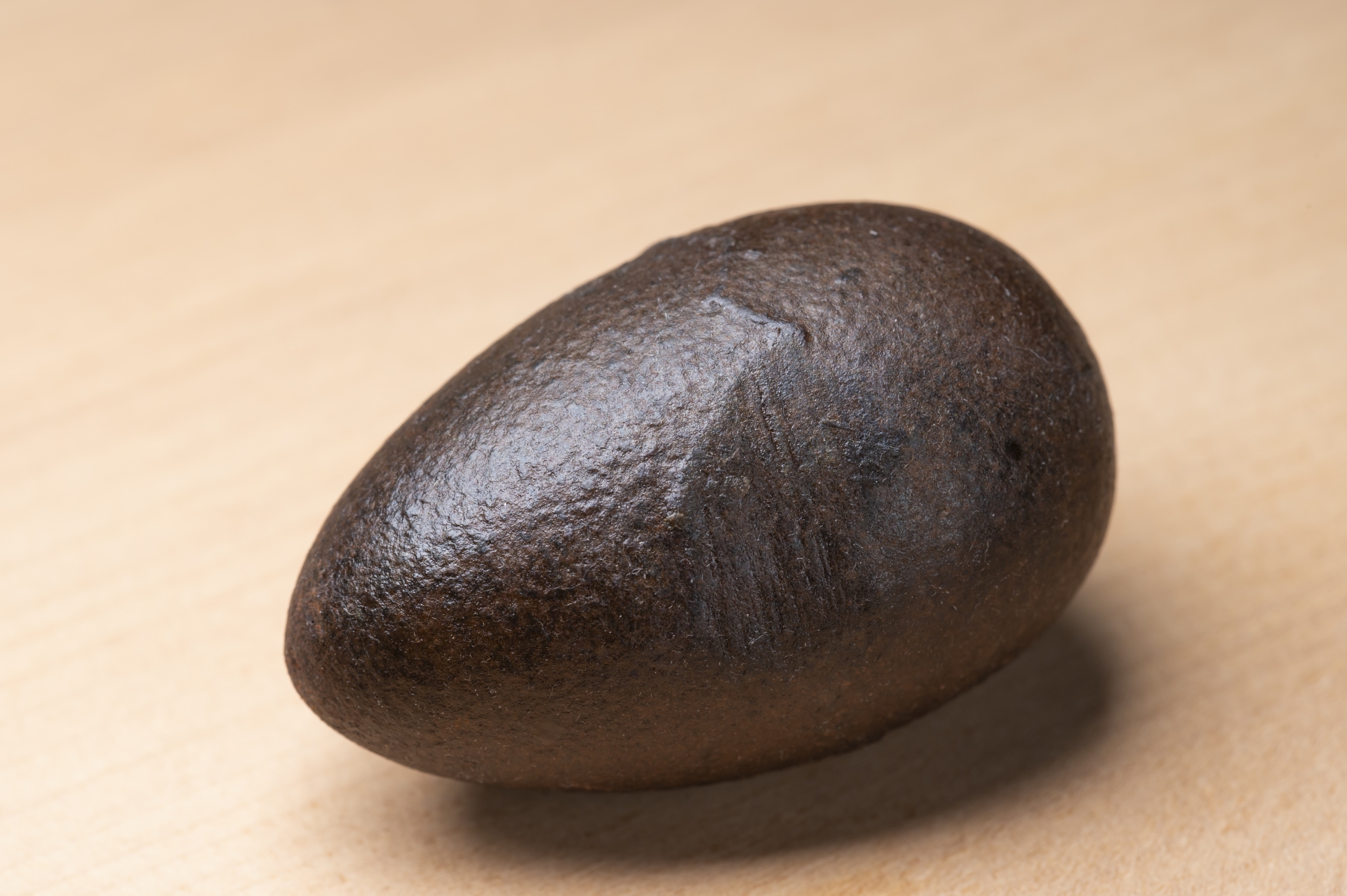
Quick answer: For most people, the Oigen Iron Egg is the simplest place to start — a small, unbranded piece of cast iron from a respected Iwate foundry, typically selling for around $16. Read on for the full comparison, how it actually works, and how to use and care for one.
Why Trust This Guide
I live in Japan, and I keep an iron egg in regular rotation myself — as someone who tends to run low on iron around my period, I’ve gotten into the habit of dropping one in when I make tea, as a simple, low-effort way to work a bit more iron into my day. For this guide, I compared Japanese-made iron eggs from established foundries, checked manufacturer specifications directly, and read through long-term user feedback rather than just pulling together an Amazon bestseller list.
What Is an Iron Egg, and Does It Actually Do Anything?
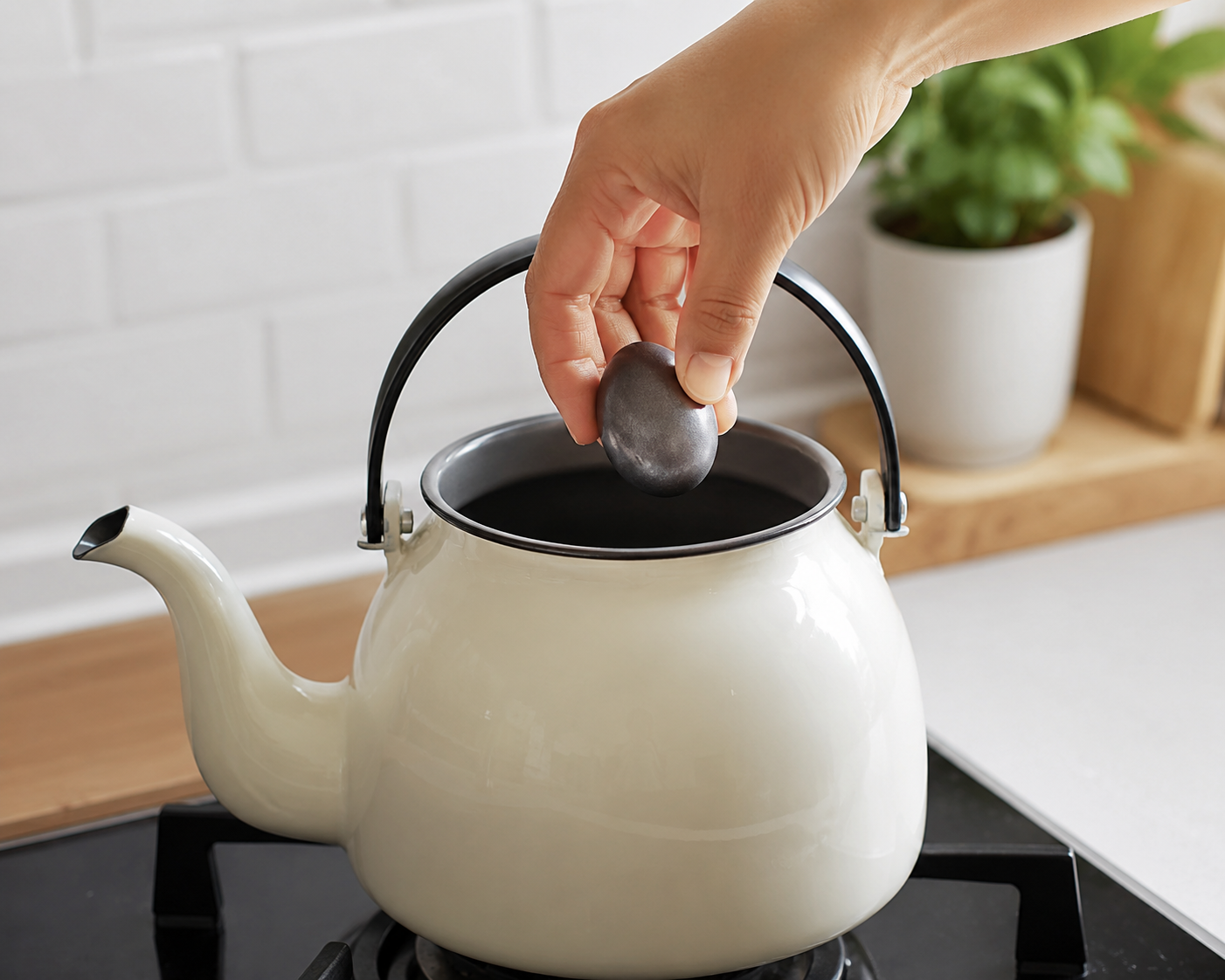
An iron egg (tetsu tamago) is a small, solid piece of cast iron — often shaped like an egg, though you’ll also find fish and character shapes — that you drop into a pot of boiling water. As it heats, trace amounts of iron leach into the water, which then carries over into whatever you’re cooking: tea, miso soup, rice, or a simmered dish.
This isn’t a Japanese folk myth without backing. Cooking in cast iron cookware is a well-documented way to modestly increase the iron content of food — a classic 1986 study in the Journal of the American Dietetic Association found that a serving of tomato sauce could go from under 1mg of iron to nearly 6mg when simmered in an iron pot instead of a non-iron one. A more recent systematic review in PLOS ONE also looked specifically at iron-containing cookware and ingots for women of reproductive age, finding it can meaningfully support iron intake, though results varied by study. None of this replaces a proper iron supplement if you’re anemic, but it’s a low-effort way to nudge your dietary iron intake upward, and many people — myself included — use it for exactly that reason.
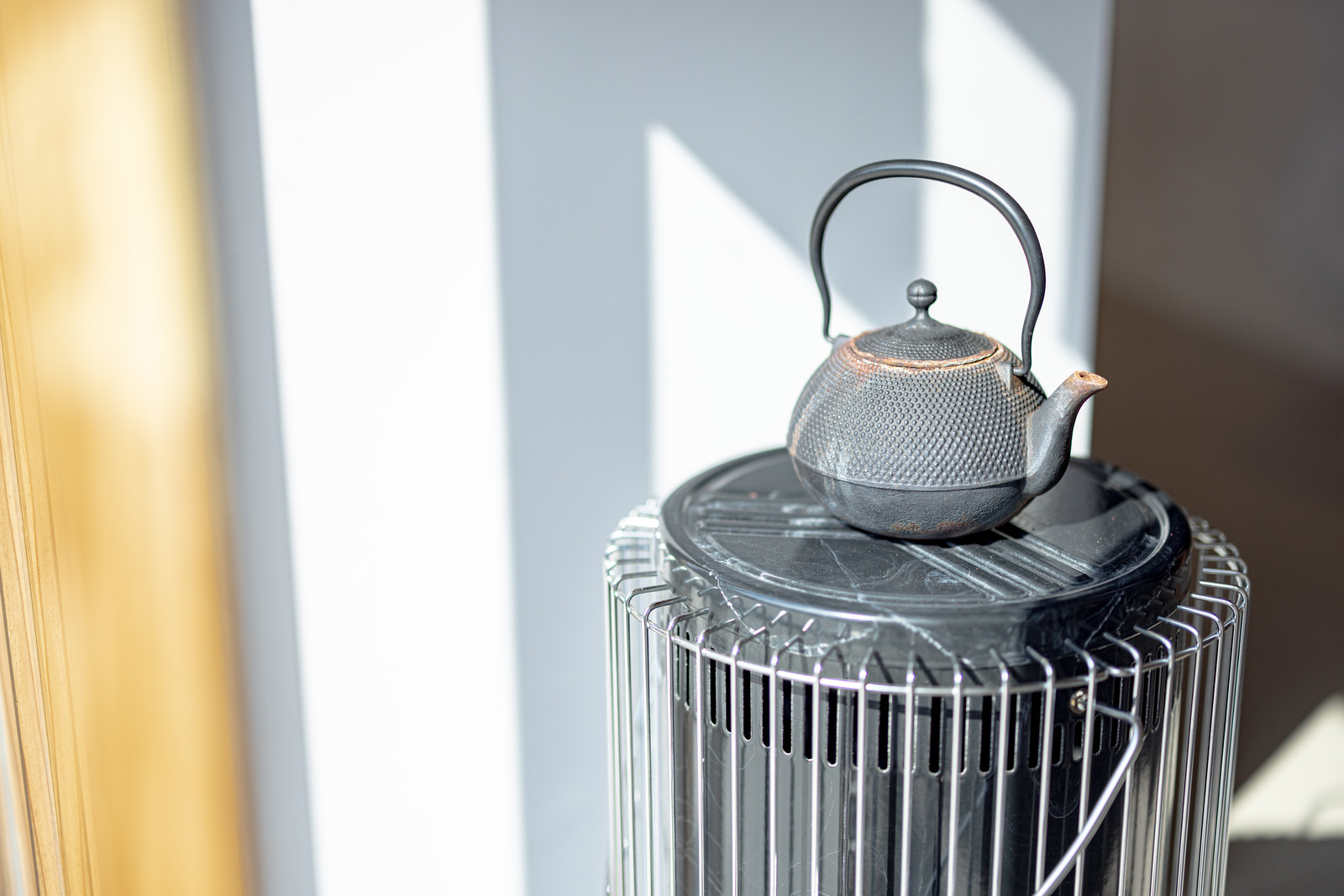
Most of these come from Nambu ironware (nanbu tekki) workshops in Iwate Prefecture, a cast-iron craft tradition going back over 400 years, best known internationally for cast-iron kettles.
Comparison at a Glance
| Product | Price | Size | Best For |
|---|---|---|---|
| Oigen Iron Egg | Around $16 | 1.4 in diameter | Everyday use, no-fuss design |
| Toribe Seisakusho Iron Sea Bream | Around $14 | 80 × 40mm | Budget pick, simple shape |
| OSK Nambu Ironware (Snoopy) | Around $33 | Approx. 1.1 × 1.6 × 2.0 in | Gifting, character design |
| Ikenaga IronWorks (Hello Kitty) | Around $22 | Compact | Gifting, kid-friendly design |
What to Look for When Buying an Iron Egg
- Solid cast iron — not a hollow shell, which affects how much iron it can release over its lifespan
- Made in Japan — specifically, ideally from an established Iwate or Niigata foundry
- Size — larger pieces generally last longer before needing replacement
- Shape — purely aesthetic, but a shape you’ll actually enjoy using nudges you toward using it consistently
Product Reviews in Detail
Disclosure: As an Amazon Associate I earn from qualifying purchases.
Oigen Iron Egg — Best Overall
If you just want the simplest option that works, this is it. Check today’s price on Amazon →
Oigen is one of Iwate’s respected cast-iron foundries, and this egg is about as no-nonsense as the category gets — no character, no branding beyond the shape itself, just a solid 260-gram piece of cast iron.
Pros:
- From an established Iwate foundry with a long cast-iron track record
- Simple egg shape rolls easily in a pot, distributing evenly
- No character licensing, so it doesn’t feel out of place in a grown-up kitchen
Cons:
- Will rust if left wet, like any bare cast iron
Bottom line: If you just want the thing to work without any extra personality, this is it.
Toribe Seisakusho Iron Sea Bream — Best Value
A low-cost way to see if this is a habit worth keeping. Check today’s price on Amazon →
This one comes from Toribe Seisakusho, a manufacturer based in Sanjo City, Niigata — a different metalworking region from the Nambu ironware area, known in its own right for blades and metal tools. The tai (sea bream) shape references a fish considered lucky in Japan, traditionally served at celebrations.
Pros:
- The lowest price of the four
- Compact, flat shape is easy to store
- From an established Japanese metalworking manufacturer, just not the Nambu ironware region specifically
Cons:
- Smaller and flatter than the others, so it may release iron more gradually over time
Bottom line: A solid low-cost way to try this out before committing to a pricier option.
OSK Nambu Ironware (Snoopy) — Best for Gifting
Shopping for someone who’d never buy this for themselves? This is the one. Check today’s price on Amazon →
A genuine Nambu ironware piece, licensed with the Snoopy design. It’s the most expensive of the four, largely due to the licensing, but it’s a legitimately good gift for someone who wouldn’t otherwise buy a plain iron egg for themselves.
Pros:
- Authentic Nambu ironware craftsmanship
- A recognizable design makes it an easy, low-effort gift
- Works exactly the same functionally as the plainer options
Cons:
- You’re paying a real premium for the licensing
Bottom line: Worth it specifically as a gift, less so if you’re just buying one for your own kitchen.
Ikenaga IronWorks (Hello Kitty) — Best for Kid-Friendly Gifting
A fun middle-ground gift pick, especially for a younger recipient. Check today’s price on Amazon →
Another authentic Nambu ironware piece, this time from Ikenaga IronWorks, with a Hello Kitty design. A reasonable middle ground between the plain options and the pricier Snoopy version.
Pros:
- Genuine Nambu ironware
- Character design that appeals to a slightly younger gift recipient
- Priced between the plain options and the Snoopy version
Cons:
- Not dishwasher or dryer safe — hand wash and air dry only, same as the others
Bottom line: A good middle-ground gift pick if Snoopy isn’t quite the right character.
Which One Should You Buy?
- If you want a no-frills option for your own kitchen, get the Oigen Iron Egg.
- If you’re on a tight budget, get the Toribe Seisakusho Sea Bream.
- If you’re buying a gift, get either the OSK Snoopy or Ikenaga Hello Kitty, depending on which character fits the recipient.
How to Use an Iron Egg
- Wash it thoroughly before first use.
- Add it directly to a pot, kettle, or pan of water — for tea, coffee, broth, soup, stew, rice, or beans
- Boil for around 10 minutes, then remove it before serving or continuing to cook.
- It can also be used to help set the color of eggplant or black beans in simmered dishes, a traditional use alongside the iron benefit.
How to Care for an Iron Egg
Rinse and dry it completely after every use — leaving it wet is the main cause of rust. Skip the dish soap if you can; several long-term users report that detergent seems to accelerate rusting, so a plain water rinse is usually enough unless something is really stuck to it. If you do need soap for something like stuck-on rice, rinse thoroughly afterward. For storage, wrap it in a paper towel and keep it in a sealed bag or container — the refrigerator works well for this since it’s a naturally dry environment, though it’s worth keeping it away from moist foods like produce or tofu. A thin wipe of cooking oil after drying can also help prevent rust between uses.
FAQ
Is it safe to eat rust from the iron egg?
Light surface rust isn’t considered harmful, though it’s best practice to scrub it off before reuse rather than letting it build up.
How much iron does it actually add, and is more always better?
It’s a modest, gradual amount, similar to cooking in cast iron cookware generally — useful as a small daily nudge, not a substitute for medical iron supplementation if you have diagnosed anemia. It’s also not something to combine carelessly with iron pills or supplements, since it’s possible to get too much iron; if you’re already taking an iron supplement, it’s worth mentioning your iron egg use to whoever manages your care.
Can you leave it in the pot overnight?
It’s better not to. A roughly 10-minute boil is the standard approach; leaving it in water for much longer than that mostly increases the risk of rust and an off, metallic taste, without adding much extra benefit.
Can you use it with coffee?
Yes, some people do — the process is the same as with tea, just boil it briefly with your coffee water beforehand.
Does it change the taste of food or drinks?
Used correctly (a short boil, then removed), most people don’t notice a taste difference. Overheating it or leaving it in too long is usually what causes a metallic taste.
Is it safe for children to drink water boiled with one?
Children have different iron needs than adults, and too much iron can be genuinely harmful for kids, so this is worth checking with a pediatrician first rather than assuming it’s fine.
Does it work the same in a stainless steel pot?
Yes — the iron egg does the work regardless of what pot it’s in, since it’s reacting with the water, not the cookware.
Can I use it on an induction stovetop?
The egg itself just needs to sit in the water in your pot, so as long as your pot is induction-compatible, this works fine.
How long does one last?
With consistent drying and proper storage, these are often used for many years — some home cooks report a decade or more without significant rust. Longevity mostly comes down to how reliably you dry it after each use, more than the specific brand.
What if it does get rusty — can I fix it?
Light rust can usually be scrubbed off with a soft cloth or brush; avoid steel wool or metal scrubbers, which tend to make future rusting worse rather than better. If the rust is more stubborn, some home cooks simmer the egg with used tea leaves or a tea bag for about 30 minutes, which can help lift it.
- Want the best overall? → Oigen Iron Egg
- Want the cheapest? → Toribe Seisakusho Sea Bream
- Buying a gift? → OSK Snoopy
- Buying for a kid? → Ikenaga Hello Kitty
Final Thoughts
An iron egg is about as low-effort as a kitchen habit gets — drop it in, boil, remove. For most people, the Oigen Iron Egg is the sensible place to start, but if you’re shopping for a gift, either the OSK Snoopy or Ikenaga Hello Kitty version turns a genuinely useful piece of Nambu ironware into something a lot more fun to unwrap.
コメント