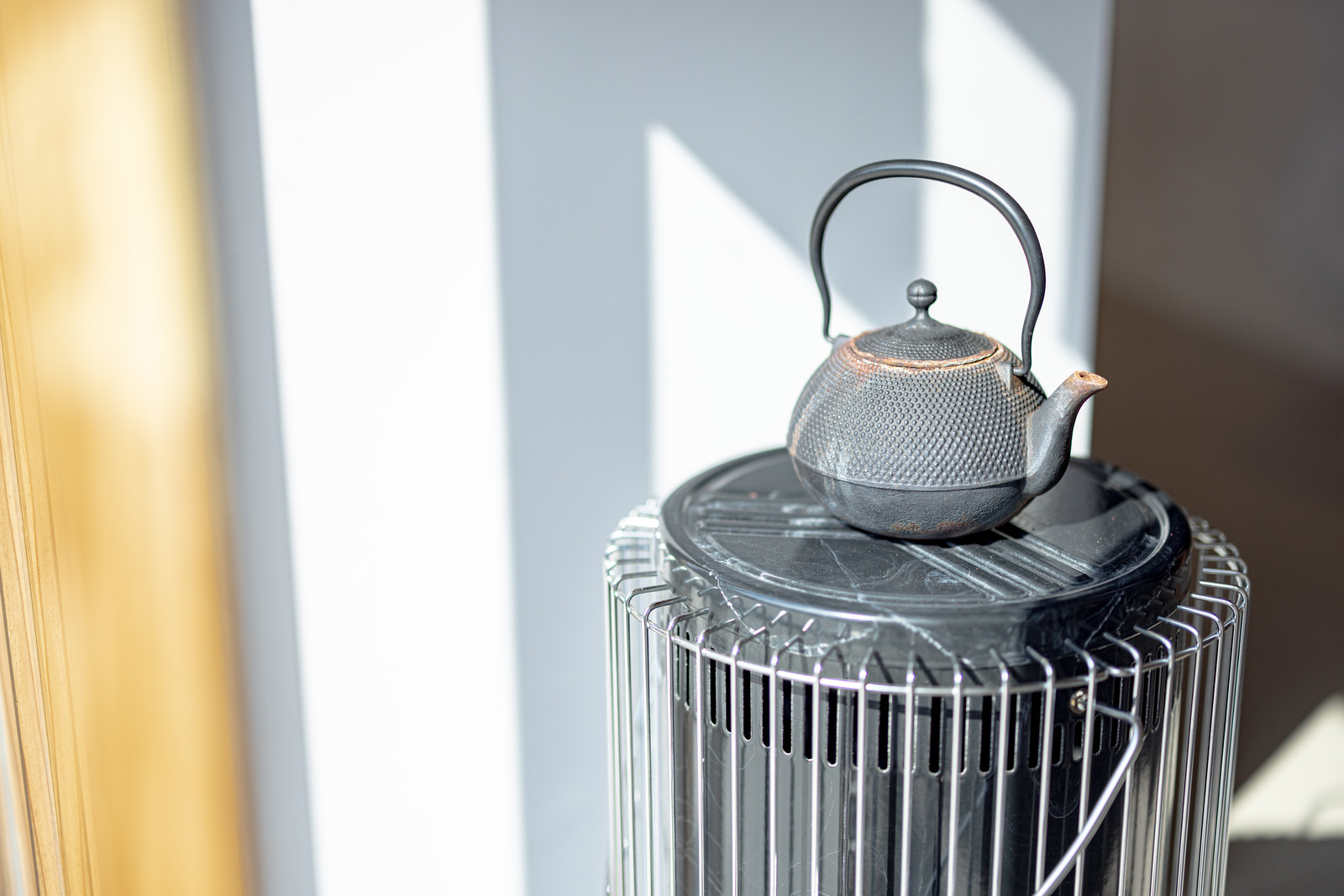
Quick answer: For most people, the Iwachu Nambu Ironware Kettle is the best starting point — a genuine, unlined cast-iron tetsubin from one of Japan’s most respected ironware makers, typically selling for around $200. Read on for the full comparison, how tetsubin actually differ from decorative “tetsubin-style” teapots, and how to use and care for one.
- Why Trust This Guide
- What Is a Tetsubin, and How Is It Different From a Regular Teapot?
- Comparison at a Glance
- What to Look for When Buying a Tetsubin
- Product Reviews in Detail
- Which One Should You Buy?
- How to Use a Tetsubin
- How to Care for a Tetsubin
- FAQ
- Is a Tetsubin Worth It?
- Tetsubin vs. Cast Iron Teapot: What’s the Real Difference?
- Final Thoughts
Why Trust This Guide
I actually have an Iwachu tetsubin in my own kitchen, and I use it every morning. I bought it partly because I wanted a more mindful, intentional kitchen routine — it’s genuinely a beautiful object, and just holding it makes the morning feel a little more deliberate. What surprised me wasn’t the iron itself, though; it was how much smoother my everyday tea started tasting compared to water from an electric kettle, with none of the slight harshness I hadn’t even noticed until it was gone. For this guide, I compared genuine Japanese-made tetsubin from established Iwate foundries, checked manufacturer specifications directly, and made a point of separating real tetsubin from the enamel-lined “tetsubin-style” teapots that dominate a lot of search results but aren’t the same thing.
What Is a Tetsubin, and How Is It Different From a Regular Teapot?
A tetsubin is a cast-iron kettle from the Nambu ironware (nanbu tekki) tradition of Morioka, Iwate Prefecture — a craft with roots going back roughly 400 years, and officially certified as a Traditional Craftwork of Japan in 1975. Historically it was used to boil water directly over a fire; today it’s most often used on a stovetop to boil water for tea.
Here’s the detail that trips a lot of shoppers up: a genuine tetsubin has a bare, unlined cast-iron interior. As water boils, trace amounts of iron are released, which is credited with softening the water and giving it a slightly mellow, rounder taste — something more than one long-time owner describes as making even ordinary tap water taste noticeably better. Many of the “tetsubin” sold online, though, have an enameled interior. Those are decorative teapots inspired by the tetsubin look, and they don’t release iron the way a real one does. Neither is wrong, but they’re not interchangeable, so it’s worth being clear on which one you’re buying.
Comparison at a Glance
| Product | Price | Capacity | Weight | Induction | Gas | Unlined Interior |
|---|---|---|---|---|---|---|
| Iwachu Nambu Ironware Kettle | Around $215 | 0.9L | 1.8kg (~4 lb) | Yes | Yes | Yes |
| Oigen Tetsubin Kettle | Around $203 | 1.2L | 1.9kg (~4.2 lb) | No | Yes | Yes |
| ITCHU-DO HAKEME Tetsubin | Around $135 | 600ml | 1.2kg (~2.6 lb) | Not specified — confirm before buying | Yes | Yes |
What to Look for When Buying a Tetsubin
- Unlined cast-iron interior — the single most important thing that separates a real tetsubin from a decorative lookalike
- Made in Japan, from an Iwate foundry — look for it explicitly stated, not just “Japanese-style”
- Heat source compatibility — not every tetsubin works on induction, and some are gas-only
- Capacity — smaller kettles heat faster; larger ones mean fewer refills if you’re making tea for more than one or two people
Product Reviews in Detail
Disclosure: As an Amazon Associate I earn from qualifying purchases.
Iwachu Nambu Ironware Kettle — Best Overall
This is the one I actually use every morning. It’s often discounted from list price, so it’s worth checking today’s figure before you decide. Check today’s price on Amazon →
Iwachu has been making Nambu ironware for over 100 years and produces more than a million pieces annually, which hasn’t come at the cost of quality. Using mine daily, the first thing I noticed was the weight — it’s heavier than I expected, though it’s the kind of heaviness that feels intentional rather than clumsy, and honestly it just makes me happier every time I pick it up. The lid and handle get genuinely hot while boiling, so I keep a kitchen towel or mitt nearby without thinking about it anymore. One thing I didn’t expect: the metal handle has outlasted a wooden-handled kettle I used to have, which tended to loosen and crack over time. There’s also a faint metallic smell the first few times you use it — it fades with regular use, and boiling green tea in it a couple of times seemed to speed that along for me. Once it settles in, the water it boils tastes noticeably milder and rounder than what comes out of my electric kettle.
Pros:
- Works on both gas and induction (100V/200V), unlike some competitors
- The pour is well controlled — in daily use, mine doesn’t dribble or splash when I tip it
- The 0.9L size is genuinely enough for one person’s tea routine without feeling like overkill
Cons:
- Heavier than it looks in photos — not a dealbreaker, but worth knowing before it arrives
- The lid and handle get properly hot while boiling; I keep a towel or mitt within reach
Bottom line: It isn’t cheap, and the price is the real hurdle here. But after using mine every morning for a while, I stopped thinking about what it cost and started thinking about how often I actually reach for it.
Oigen Tetsubin Kettle — Best for Larger Capacity
What I liked most about this one on paper is the extra capacity. Check today’s price on Amazon →
Oigen is another respected Iwate foundry, and this kettle has a rounder, smoother silhouette (Maromi) with the same arare pattern. At 1.9kg and 1.2L total capacity (about 1L practical), it’s noticeably bigger than the other two here — worth factoring in if counter space is tight.
Pros:
- Largest capacity of the three, useful for serving more than one or two people
- From an established, respected Iwate foundry
- Smooth, rounded silhouette that reads more understated than the classic hailstone texture
Cons:
- Gas stoves only — not induction-compatible, a real limitation if that’s your only cooktop
- The largest and heaviest of the three, and the handle doesn’t fold down, so plan for where it’ll actually sit
Bottom line: My only real hesitation here is the induction limitation — if you have a gas stove, though, the extra capacity makes this an easy pick for anyone making tea for more than themselves.
ITCHU-DO HAKEME Tetsubin — Best Value
My only complaint about the other two is the price, which is exactly what this one solves. Check today’s price on Amazon →
ITCHU-DO (壱鍉堂) is a smaller Iwate workshop, and this hakeme-finish kettle (a brushed, textured surface) comes in at a noticeably lower price than the other two — at 1.2kg it’s also the lightest of the three, which is worth noting if the Iwachu’s weight above gave you pause.
Pros:
- The most accessible price point of the three for a genuine, unlined tetsubin
- Lightest of the three at 1.2kg, easier to lift and pour one-handed
- Distinctive brushed (hakeme) surface texture that photographs differently from the classic hailstone pattern
Cons:
- Smaller 600ml capacity means more frequent refills if you’re serving several people, and induction compatibility isn’t confirmed on the listing
Bottom line: A genuine, well-made tetsubin for meaningfully less money — a good place to start if you’re not ready to spend $200.
Which One Should You Buy?
- Want the safest all-around pick? → Iwachu
- Making tea for a few people at once? → Oigen
- Want to try a real tetsubin without the premium price? → ITCHU-DO
How to Use a Tetsubin
- Before first use, fill it with water, bring it to a boil, and discard the water. Repeat this two or three times to rinse out any manufacturing residue.
- Fill with fresh water and bring to a boil on your stovetop.
- Use the boiled water for tea, or pour it into a separate teapot if you prefer to steep there rather than in the tetsubin itself.
- After boiling, remove the lid and let any residual water evaporate rather than leaving it sealed in while wet.
How to Care for a Tetsubin
Hand wash with water only — no soap or detergent, which can strip the interior and encourage rust. It’s not dishwasher or microwave safe. Dry it thoroughly after every use; wiping it down while it’s still warm from boiling helps any remaining moisture evaporate quickly. A trivet or pot stand is worth using to protect countertops and table linens, since the kettle retains heat well after boiling. Light rust on the interior is considered a normal part of how a tetsubin ages and isn’t a safety concern, but avoid leaving tea sitting inside for extended periods, since that speeds up wear.
FAQ
Can I use a tetsubin on an induction stovetop?
It depends on the specific model — some, like the Iwachu kettle here, are induction-compatible, while others, like the Oigen, are gas-only. Always check before buying if induction is your only option.
Does the water actually taste different?
Many long-time owners describe it as mellower or slightly sweeter, likely due to the small amount of iron released and a softening effect on the water. It’s subtle rather than dramatic, and most noticeable side by side with water boiled another way.
Is a little rust inside dangerous?
No — light interior rust is a normal, expected part of how bare cast iron ages, and it isn’t considered harmful. It doesn’t mean the kettle is ruined.
Can I steep tea leaves directly inside the tetsubin?
It’s generally better not to, since leaving tea (or its tannins) sitting in the kettle for extended periods can accelerate wear on the interior. Boiling water in the tetsubin and steeping in a separate teapot is the safer habit.
How is this different from the enameled ‘tetsubin’ teapots I keep seeing online?
Those are decorative cast-iron teapots with an enamel-coated interior, which means they don’t release iron into the water. They can be lovely for serving tea, but they’re a different product from a genuine, unlined tetsubin like the ones in this guide.
Is a Tetsubin Worth It?
For most people, the honest answer is: only if you actually drink enough tea (or hot water) daily to build a habit around it. It’s a real financial commitment, and it asks something of you — drying it every time, handling it while it’s hot, accepting that it’ll get heavier use than a decorative teapot. If that sounds like a chore rather than a small daily ritual, it’s probably not for you. If it sounds appealing, most owners — myself included — end up using it far more often than expected.
Tetsubin vs. Cast Iron Teapot: What’s the Real Difference?
This trips people up constantly, so it’s worth restating plainly: a tetsubin is specifically for boiling water, with a bare cast-iron interior that releases iron as it heats. A cast iron teapot (sometimes sold as a “tetsubin”) is usually enamel-lined on the inside and meant for steeping and serving tea directly, not boiling water over direct heat. Both are legitimate, useful pieces — they’re just built for different jobs, and a lot of online listings blur the line between them.
Final Thoughts
A tetsubin is a genuine investment piece — not a cheap impulse buy, but something built to be used, and aged with, for decades. I’ve had mine in daily rotation for a long time now, and it’s the kind of kitchen object that quietly earns its keep. For most people, the Iwachu Nambu Ironware Kettle is the safest starting point, but if you’re not ready for that price tag, the ITCHU-DO gets you a genuine tetsubin without the premium.
コメント