Affiliate disclosure: This post contains affiliate links. If you buy through them, I may earn a commission at no extra cost to you.
Quick answer: For most people, the Iwachu Nambu Ironware Tamagoyaki Pan is the best all-around choice — real cast iron, genuinely made in Japan, and priced around $55. Read on for the full comparison, how to season and care for each material, and a classic tamagoyaki recipe.
- What Is a Tamagoyaki Pan, and Why Does the Shape Matter?
- Comparison at a Glance
- Product Reviews in Detail
- What Size Should You Buy?
- Induction (IH) vs. Gas Compatibility
- Tamagoyaki vs. a Regular Omelette: What’s the Difference?
- Which One Should You Buy?
- What Do Japanese Households Actually Use?
- Material Matters: Cast Iron vs. Copper vs. Non-Stick
- How Long Does Each Material Actually Last?
- How to Season and Care for Your Pan
- How to Make Classic Tamagoyaki
- Tips for Getting It Right the First Time
- Common Mistakes (and What’s Actually Going Wrong)
- Not Just for Tamagoyaki: Other Uses for This Pan
- Tools That Make This Easier
- FAQ
- Final Thoughts
What Is a Tamagoyaki Pan, and Why Does the Shape Matter?
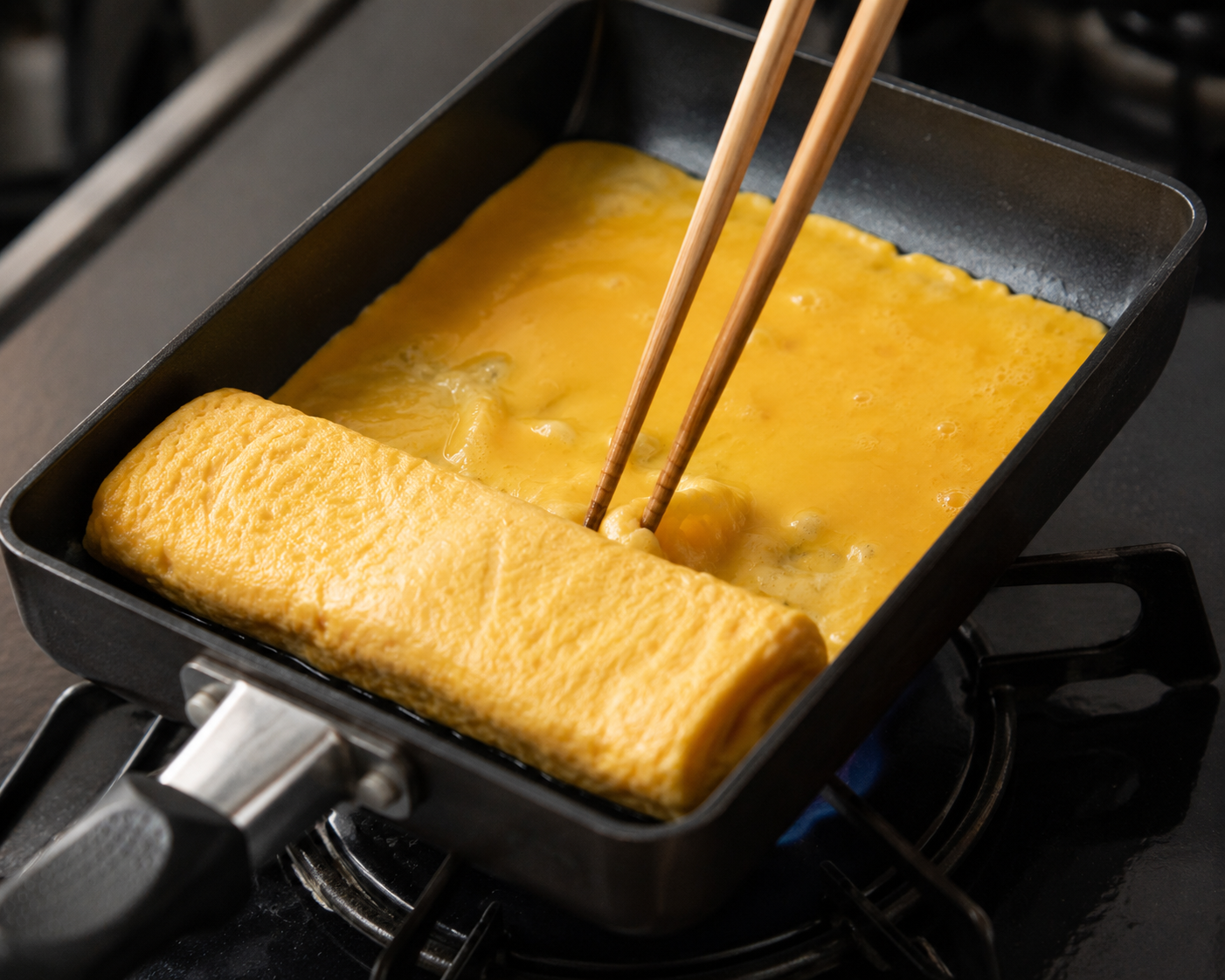
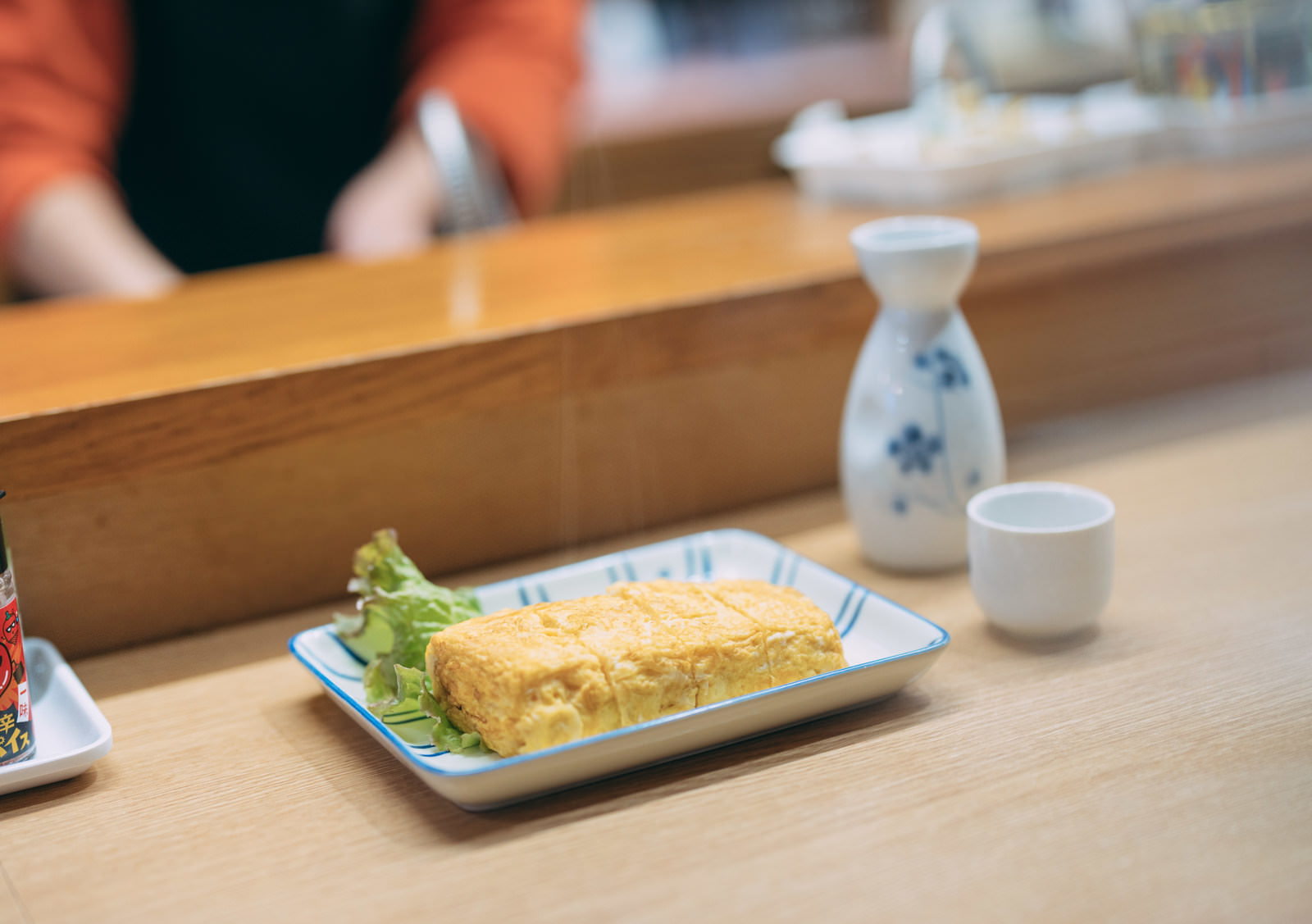
Tamagoyaki is the layered, slightly sweet rolled omelette you’ve probably seen sitting in a bento box or on top of a piece of nigiri. The dish gets its name from the pan it’s cooked in: a rectangular (not round) skillet that makes it possible to roll the egg into neat, even layers as you go.
You can technically make tamagoyaki in a round pan, but the corners make rolling awkward and the layers come out uneven. The rectangular shape isn’t a gimmick — it’s what makes the technique work.
Comparison at a Glance
| Product | Price Range | Material | Best For |
|---|---|---|---|
| Iwachu Nambu Ironware | Around $55 | Cast iron | Traditional cooks, best long-term value |
| TIKUSAN Copper Tamagoyaki Pan | Around $95 | Copper (tin-lined) | Serious cooks chasing the fluffiest texture |
| Kotobuki Tamagoyaki Pan | Around $20 | Iron with non-stick coating | Beginners, budget-conscious buyers |
Product Reviews in Detail
Iwachu Nambu Ironware Tamagoyaki Pan — Best Overall
Check the latest price on Amazon →
This one comes from Iwachu, a real Nambu ironware (nanbu tekki) maker based in Iwate Prefecture — the same craft tradition behind the cast-iron kettles Japan is famous for. The body is genuinely made in Japan; only the wooden handle is sourced from China or Japan depending on the batch.
Pros:
- Real cast iron, so it holds and distributes heat far more evenly than thin aluminum
- Improves with age and seasoning, much like a cast-iron skillet
- Induction-compatible, unlike the copper option below
Cons:
- Needs seasoning and can’t go in the dishwasher
- Heavier than the aluminum option, which matters if you’re cooking one-handed while rolling
Bottom line: If you only buy one tamagoyaki pan, this is the one that’ll still be doing the job in ten years.
TIKUSAN Copper Tamagoyaki Pan — Best for Texture
Check the latest price on Amazon →
Copper conducts heat faster and more evenly than almost any other material used in cookware, and it shows in the texture: eggs cook through in seconds without overcooking at the edges, which is exactly what gives good tamagoyaki its soft, custardy layers. This one has a tin lining on the inside, which stops any metallic taste from leaching into the egg.
Pros:
- Best-in-class heat conduction — noticeably fluffier results than the other two
- Tin lining prevents any copper taste from transferring to the egg
- Comes with a wooden lid that doubles as a tool — professional cooks often use it like a spatula to press the egg into shape as it cooks, and it can double as a small cutting board for slicing the finished roll
Cons:
- Cannot be used on induction cooktops — gas or electric coil only
- Not dishwasher safe, and regular detergent will strip the seasoning oil
- The most expensive of the three by a wide margin
Bottom line: Worth it if you already have a gas stove and care more about texture than convenience.
Kotobuki Tamagoyaki Pan — Best for Beginners
Check the latest price on Amazon →
If you’re not sure yet whether tamagoyaki is going to become a regular thing in your kitchen, this is the low-risk way to find out. It’s made in Japan — an iron pan finished with a non-stick coating, so it heats a bit more like the Iwachu than a typical lightweight aluminum pan — and a fraction of the price of the other two.
Pros:
- Non-stick coating means no seasoning, no fuss — just wash and go
- Lightest of the three, easy to maneuver while rolling
- Lowest price by far, so it’s an easy way to try the dish before committing
Cons:
- Non-stick coatings wear down over years of use in a way cast iron and copper don’t
- Heats less evenly than cast iron or copper, so technique matters a bit more
Bottom line: The sensible starting point if you’ve never made tamagoyaki before.
What Size Should You Buy?
Tamagoyaki pans run smaller than you’d expect, and the right size depends on how many people you’re actually feeding.
| Size | Best For |
|---|---|
| 13×18cm (5×7 in) | Solo cooking or a light breakfast for one |
| 15×18cm (6×7 in) — roughly the Iwachu and Kotobuki size | 1–2 people, everyday use |
| 18×18cm (7×7 in) — the TIKUSAN’s square footprint | Slightly larger rolls or families making bento for multiple kids |
If you’re cooking for one or two people, don’t size up just because a bigger pan feels like better value — a too-large pan actually makes rolling thin layers harder, not easier.
Induction (IH) vs. Gas Compatibility
This trips people up more than almost anything else, since induction cooktops are becoming standard outside Japan and not every tamagoyaki pan works on them.
| Product | Induction (IH) | Gas | Electric Coil |
|---|---|---|---|
| Iwachu Nambu Ironware | Yes | Yes | Yes |
| TIKUSAN Copper | No | Yes | Yes |
| Kotobuki | Check the manufacturer’s specifications before purchasing | Yes | Yes |
If induction is your only cooktop, the copper TIKUSAN pan is off the table entirely — copper isn’t magnetic, so IH burners can’t heat it. Cast iron, like the Iwachu, is a safe bet on any cooktop.
Tamagoyaki vs. a Regular Omelette: What’s the Difference?
Tamagoyaki has become popular well beyond Japan in recent years, largely through bento culture and Japanese breakfast videos online — it’s no longer something only Japanese home cooks make. But it’s genuinely a different technique from a Western omelette, not just a rectangular version of the same thing.
A Western omelette is usually poured all at once and folded once or twice. Tamagoyaki is built in several thin layers, each one rolled before the next is poured, which is what creates its distinctive layered cross-section. The seasoning is different too: a Western omelette leans savory (cheese, herbs, salt), while traditional tamagoyaki is lightly sweetened with sugar and soy sauce — though savory dashimaki tamago versions exist as well.
I’ve had an Iwachu Nambu ironware kettle in daily use for years, which is part of why I trust the brand’s cast-iron cookware, too — Nambu ironware has a reputation in Japan for lasting decades with basic care, and that reputation carries over to their tamagoyaki pans.
Which One Should You Buy?
- If you want one pan that lasts decades, get the Iwachu Nambu Ironware.
- If texture is everything to you and you cook on gas, get the TIKUSAN Copper Pan.
- If you’re just starting out, get the Kotobuki.
What Do Japanese Households Actually Use?
In most Japanese homes, the everyday tamagoyaki pan is a simple non-stick coated one — cheap, easy, and replaced every few years without much thought. Cast iron and copper are more of an enthusiast’s choice: the kind of pan a serious home cook or a professional chef reaches for, since Japanese cooking sources widely describe copper as a preferred material in many professional kitchens for egg dishes, thanks to how evenly and gently it conducts heat. If you’re deciding which route to go, that’s roughly the same choice: casual and low-maintenance, or a bit more care in exchange for better results.
Material Matters: Cast Iron vs. Copper vs. Non-Stick
The material of a tamagoyaki pan affects more than durability — it changes how the eggs actually cook.
Cast iron heats slowly but holds that heat steadily, which forgives small timing mistakes and gets better with age as the seasoning builds up. Copper heats almost instantly and adjusts the moment you change the burner, which is why professional cooks favor it — but it demands more attention, since a few extra seconds can mean the difference between fluffy and overcooked. Iron with a non-stick coating splits the difference: nothing sticks and there’s no seasoning ritual, but the coating itself has a lifespan and will eventually need replacing.
None of these is objectively “best” — it depends on whether you value durability, texture, or ease of use most.
How Long Does Each Material Actually Last?
This is often the real deciding factor once price stops being the only thing you’re weighing.
| Material | Typical Lifespan |
|---|---|
| Cast iron (Iwachu) | Decades, often a lifetime with basic care |
| Copper (TIKUSAN) | Decades, as long as the tin lining is maintained |
| Non-stick coated (Kotobuki) | Roughly 2–5 years, depending on use and utensils |
That gap is worth sitting with for a second: over a decade, you might replace a non-stick pan three or four times, while the cast iron or copper option is still going.
How to Season and Care for Your Pan
For cast iron (Iwachu): Before first use, heat the pan, wipe it with a thin layer of oil, and let it sit until it stops smoking. Repeat this two or three times before cooking anything. After each use, wash with hot water only, dry immediately and thoroughly, and wipe with a little oil before storing to prevent rust.
For copper (TIKUSAN): Never use dish soap on the inside — it strips the seasoning oil that builds a light natural non-stick layer over time. Hot water and a soft sponge are enough. Dry it completely before putting it away, since copper can develop spots if left damp.
For non-stick (Kotobuki): Skip metal utensils, which scratch the coating. A silicone or wooden spatula will make the pan last years longer.
How to Make Classic Tamagoyaki
Ingredients (serves 2): 3 large eggs, 1 tbsp sugar, 1 tsp soy sauce, a pinch of salt, 1 tsp neutral oil for cooking.
- Whisk the eggs, sugar, soy sauce, and salt together in a bowl until just combined — don’t overbeat, or you’ll introduce too many air bubbles.
- Heat the pan over medium-low heat and wipe a thin layer of oil across the surface with a folded paper towel.
- Pour in a thin layer of egg mixture, just enough to coat the bottom. Let it set for about 15 seconds.
- Starting from the far edge, roll the egg toward you into a log. Push it back to the far side of the pan.
- Oil the pan again, pour in another thin layer of egg, letting it flow underneath the rolled log, and repeat the rolling process.
- Continue layering and rolling until the egg mixture is used up. Let the finished roll rest for a minute before slicing into pieces.
Variation: Dashimaki Tamago
Swap the soy sauce and sugar for 3 tbsp of dashi (Japanese soup stock) and you get dashimaki tamago — a softer, more savory version served in traditional restaurants. It’s slightly harder to roll since the extra liquid makes the egg more delicate, so it’s worth trying the classic version first.
Tips for Getting It Right the First Time
- Keep the heat at medium-low the entire time — tamagoyaki is far more forgiving of “too slow” than “too hot.”
- Re-oil the pan lightly before every single layer, not just the first one.
- Whisk the eggs just until combined. Overbeaten eggs trap air and turn rubbery instead of silky.
- Pour thin layers. A thick pour is harder to roll evenly and more likely to tear.
Common Mistakes (and What’s Actually Going Wrong)
Egg sticking to the pan: Usually not enough oil between layers, or the pan wasn’t hot enough before the first pour.
Burning or browning too fast: The heat is too high. Tamagoyaki should cook gently — golden-brown edges are a sign to turn the heat down, not up.
Can’t get the roll started: The first layer is often too thick or wasn’t given enough time to set before rolling. Thin layers and a few extra seconds of patience fix this.
The roll falls apart: Each new layer needs to touch and fuse with the rolled log underneath. If the pour doesn’t reach the existing roll, lift the roll slightly with chopsticks so the new egg flows underneath it.
Not Just for Tamagoyaki: Other Uses for This Pan
If a single-purpose pan feels like a hard sell, it’s worth knowing the shape is useful well beyond tamagoyaki:
- Dashimaki tamago (the savory dashi-based version)
- Western-style folded omelettes, portioned for one
- Grilled cheese or other small hot sandwiches, sized to the pan
- French toast, cut into strips to fit
- Sausages or bacon for a single serving
- Small pancakes for kids’ portions
Tools That Make This Easier
A few inexpensive extras make the whole process smoother, especially while you’re still getting the rolling technique down:
- Hinoki wood spatula, made in Kochi, Japan — gentler than metal on non-stick coatings
- Japanese cooking chopsticks (saibashi), made in Japan — the traditional way to roll, and genuinely easier once you get used to it
- Japanese oil brush (aburahiki), made in Japan — for the thin, even layer of oil you need between each pour
- Stainless steel oroshigane grater, made in Japan — handy for the grated daikon traditionally served alongside dashimaki tamago
- Paper towels — for wiping oil and for the initial seasoning process on cast iron
FAQ
Can I make tamagoyaki in a regular round pan?
You can, but rolling gets messy in the corners and the layers won’t be as even. A rectangular pan genuinely makes the technique easier, not just prettier.
Why did my tamagoyaki come out rubbery?
Usually overbeaten eggs (too much air) or heat that’s too high. Medium-low heat and gentle whisking fix most texture problems.
Do I need a special spatula?
Chopsticks work fine for rolling, and a lot of home cooks in Japan use them instead of a spatula. A silicone spatula is a reasonable substitute if chopsticks feel unfamiliar.
Can left-handed cooks use these pans?
Yes — the pan itself is symmetrical, so handedness mostly affects which direction feels natural to roll. Left-handed cooks often just roll in the opposite direction, which works exactly the same way.
Can the wooden handle be replaced?
It varies by manufacturer and isn’t always listed, so check with the seller before assuming — but a wobbly handle is rarely a reason to replace the whole pan if the cooking surface is still in good shape.
Can I use these in the oven?
Cast iron generally can, within reason. Copper and non-stick coated pans are usually not recommended for oven use — check the specific listing, since wooden handles and non-stick coatings both have heat limits.
Are any of these dishwasher safe?
No. Cast iron and copper both need hand-washing to protect their seasoning, and even non-stick coatings tend to wear out faster in a dishwasher.
Can I use this pan for anything besides tamagoyaki?
Yes — see the “Other Uses” section above. It’s a genuinely versatile small pan, not a single-purpose gadget.
Final Thoughts
A tamagoyaki pan is a small, inexpensive way to add a genuinely useful piece of Japanese kitchen craft to your morning routine. My pick for most people is the Iwachu Nambu Ironware — but if you’re not ready to commit to seasoning cast iron, the Kotobuki is a perfectly good place to start.
コメント